


2-SECOND BURSTS
SHORT THOUGHTS ON LEADERSHIP, DECISION-MAKING, FLIGHT, AND OTHER TOPICS OF THE DAY
ARTICLES
Why Iran Matters—Part 3: It Is About the Oil
Ok, you got me. It is about the oil. “No blood for oil,” you say, and I get that. But until we embrace nuclear energy, and find alternative transportation energy means, oil makes literally everything in the world function. Or not function, depending on who controls it.
Despite the volume of the claims, oil as an objective has little to do with making big donors richer and everything to do with stabilization of the international communities and minimizing the power of aggressive nations.
Blood with Oil
First, let’s look at what Iran does with its profits from oil sales.They are the undisputed leaders in exporting terrorism across the Middle East first but also the rest of the world. Their profits from oil, coupled with their stated goals of global domination with Islam, create chaos the world over.
They have zero respect for others’ beliefs and ways of life, use the violent portions of the Koran to justify a hatred and aggression for anything not under their control. Their aggression is not just against Jews and Christians. It is also (as we’ve seen in the recent conflict) pitted against Sunni Muslims, anyone who does not believe in their brand of Islam.
Market Stability
Because of the way oil is sold worldwide (established prices per barrel by the world markets), any hiccup in the extraction, refinement, or supply of oil to the world causes a ripple (or tsunami) in the market. Even here in the United States where we are self-sufficient from an energy perspective, pressure on the rest of the world affects our prices at the pump. Can that change without going to war? Maybe. I’m not smart enough to break down the entire world market and how prices are set, just to identify the effects of certain actions.
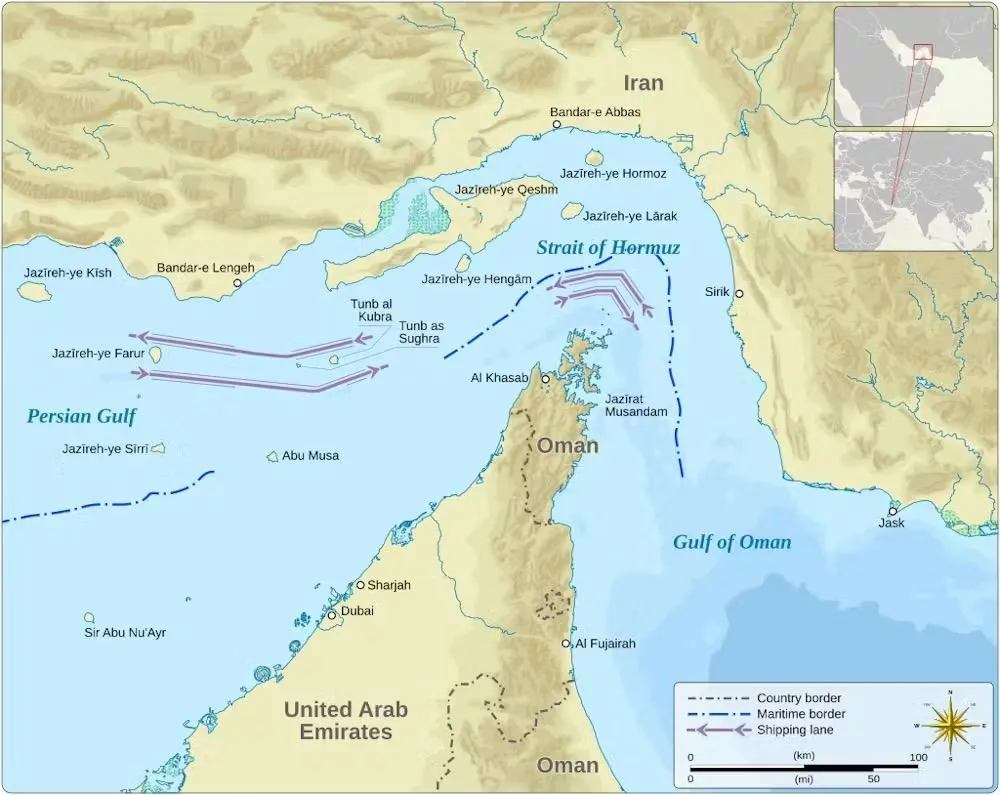
About 20-25% of the world’s oil supply goes through the Straits of Hormuz, with much of Asia and even Europe very dependent on the freedom of movement of the oil from multiple countries that use the Straits to start their oil’s movement to market. This conflict has shown us how detrimental their insecurity is to the consumption markets, and the Iranian hostage approach to those few miles of seaborn passage is unacceptable to all.
But, But, But--Let’s Use Sanctions!
Why do we not stick to sanctions against Iran to hurt their ability to support terrorism?Simply because they don’t work well enough. Sure, they are forced to sell their oil at a discount to nations like China (estimated at 90% of their sales) using back-door methods and tanker-swapping procedures, but even at a discount they make plenty of money to support the Ayatollah and all their terrorist efforts. By keeping them out of the above-board oil markets, it does not hurt us, allows the rest of the world to function without the hazards of dealing with a maniacal regime, but it does not fully stop Iran from achieving their aims. Too many nations think little of Western sanctions and are more than happy to at least covertly go around them for their own needs.
The oil that is sold by Iran is sold at a discount because of the increased risk to the buyers, which is good in terms of a reduction in earnings for the regime, but those willing to buy at a discount are not our friends. Our sanctions actually help fuel their own anti-American desires because of their ability to get energy at a discount, freeing up more of their funds to further other aspects of their march against us.
Deterring China
As I said, China buys the lion’s share of the oil that Iran sells, doing so at a discount.This oil accounts for 6-10% of China’s energy needs.Combined with oil they used to get from Venezuela, the number climbs to 10-15% of their overall energy needs.A complete loss of these sources does not destroy China, but it does inhibit some of their extracurricular actions that run counter to the U.S.’s interests, particularly in Taiwan.Without oil, China would be hard pressed to mount an invasion of the island they call their own.Yes, they could turn their focus to Russian oil and other sources, but at a stiffer price, which also limits their abilities against Taiwan and U.S. interests.
Deterring Russia
With greater control over the world’s oil markets, and resultant price decreases per barrel, Russia’s ability to terrorize their neighbors and the rest of the world decrease dramatically. At $60/barrel, Russia’s profits shrink to very little, and their ability to pay for aggression across their borders dwindles to near nothing. Wresting control of the Straits of Hormuz away from an antagonist Iran increases the other Gulf states ability to ship oil free of intervention, and creates a stability in the market that will drive down oil prices to a level that will force Russia to focus on its own survival instead of cross-border incursions and extracurricular meddling.
Reducing Our Interest and Involvement in The Middle East
The U.S. is tired of constant wars to protect our interests in the Middle East and beyond.I am not Pollyannish enough to think that a friendly—or less aggressive Iran—would mean our problems in the Middle East go away. But we may get back to an environment where conflict is not the daily norm, but instead a threat that we deal with more from afar. Many of the Muslim Gulf states are starting to play nice—or at least not antagonistic—with Israel.Remove the main agitator in the region, and it may become an area of concern instead of an area of conflict.
Yes, it is about oil. But for the foreseeable future, oil is what makes the world go around.That means stability in the region that produces such a large amount of the world’s oil points to greater prosperity for all, not just some fat cat oil donors as we constantly hear. Let them make money. I want us all to feel prosperity, and that is difficult with the constant conflict we see from Iran.
Speaker Request Form
Let Us Know How We Can Help.
At Decisive Leadership, we welcome the opportunity to share hard-won lessons on leadership and decision-making with the broader business community, executive and operations teams, conferences, academic institutions, and military and veteran organizations — anyone working to build confident, capable leaders. We believe leadership isn't reserved for the corner office, and that the right message delivered to the right room can change how an entire team performs.
